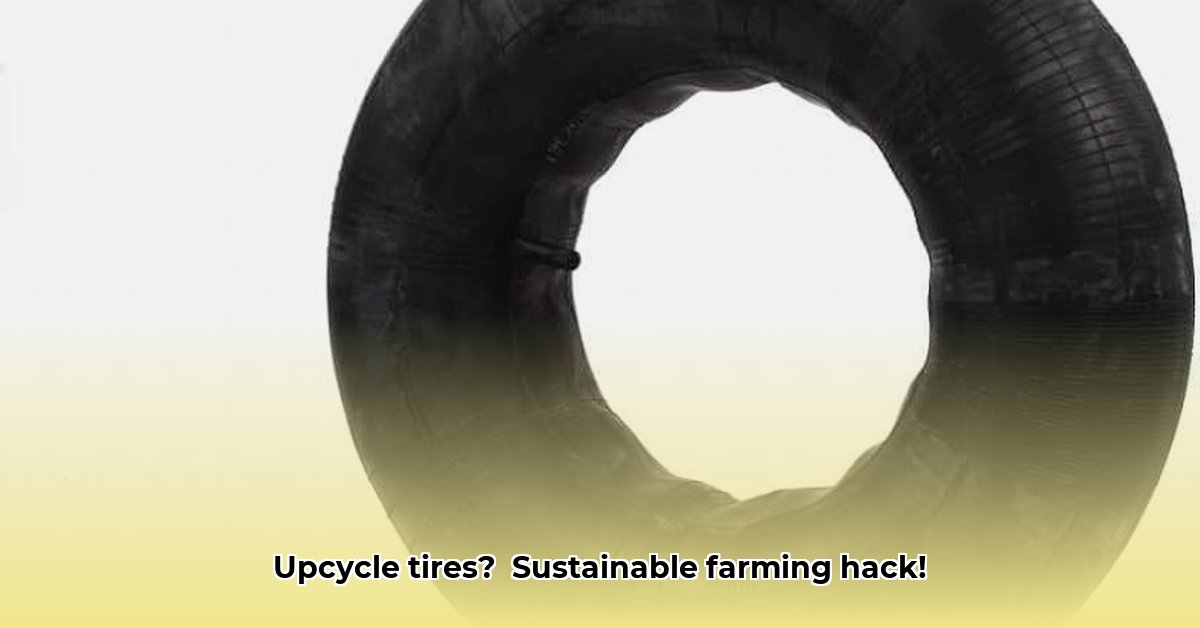
Lawn Tractor Inner Tubes and Sustainable Agriculture: A Comprehensive Guide
Let's talk about lawn tractor inner tubes – seemingly small components with a surprisingly large impact on sustainable farming. Most inner tubes are made from synthetic rubber, a petroleum product contributing to greenhouse gas emissions and landfill waste. However, the shift towards bio-based alternatives presents a significant opportunity to reduce the environmental footprint of agricultural machinery. This article examines the current landscape, explores sustainable solutions, and provides a practical guide for farmers and manufacturers. For more on tractor tire options, check out this resource.
The Environmental Impact of Traditional Inner Tubes
Traditional inner tubes, predominantly made from petroleum-derived synthetic rubber, carry a significant environmental burden. The extraction, processing, and manufacturing of this material contribute substantially to greenhouse gas emissions, exacerbating climate change. Furthermore, the disposal of worn-out tubes often involves landfills, adding to the global waste problem. This necessitates a shift towards more sustainable practices. Do you know how much your farm's inner tube use contributes to these emissions? It’s a crucial question to consider for long-term sustainability.
Bio-Based Alternatives: A Greener Solution
Fortunately, the development of bio-based inner tubes offers a promising path to sustainability. These tubes utilize renewable resources, such as plant-derived materials, to reduce reliance on fossil fuels. This transition significantly lowers the carbon footprint associated with inner tube production and disposal. While still a developing field, the potential environmental benefits are substantial. "The shift to bio-based materials is vital for reducing the environmental impact of agricultural machinery," says Dr. Anya Sharma, Professor of Sustainable Materials Science at the University of California, Berkeley.
Challenges and Opportunities in Transitioning to Sustainable Inner Tubes
Despite the clear advantages, adopting bio-based alternatives faces challenges. The initial cost of these sustainable inner tubes is often higher compared to traditional options. However, experts predict that increased demand and technological advancements will lead to cost reductions in the near future. Additionally, ensuring the durability and performance of bio-based materials is crucial. Rigorous testing and quality control are essential to build confidence and market acceptance. One promising approach is to pair sustainable rubber with recycled materials, extending a tube's lifespan and reducing environmental impact.
A Practical Guide to Implementing Sustainable Inner Tube Practices
Adopting sustainable practices requires a phased approach. Here's a step-by-step guide to help farmers and manufacturers make the transition:
Research and Selection: Begin by researching available bio-based inner tube options. Look for independent certifications verifying sustainability claims, ensuring the products meet environmental standards.
Comparative Analysis: Compare pricing, durability claims, and environmental impact data from various manufacturers. Consider lifecycle costs and long-term environmental benefits.
Pilot Testing: Start with a small-scale trial, testing bio-based inner tubes on a few pieces of equipment. Monitor their performance under real-world conditions to assess durability and reliability.
Feedback and Collaboration: Share your findings – both positive and negative – with manufacturers to help drive improvements in material science and production.
Advocacy and Policy Support: Support policies and initiatives promoting sustainable agricultural practices. Collective action is vital for fostering widespread adoption of these environmentally-friendly measures.
Weighing the Pros and Cons: A Detailed Comparison
The decision to adopt bio-based inner tubes requires a thorough understanding of their advantages and disadvantages. The following table summarizes key aspects:
| Feature | Pros | Cons |
|---|---|---|
| Environmental Impact | Reduced greenhouse gas emissions; utilization of renewable resources. | Potential for increased land use depending on the bio-material's production method. |
| Cost | Expected to decrease with increased production and technological advancements. | Currently, often more expensive than conventional synthetic rubber tubes. |
| Durability | Ongoing research shows promising durability in several bio-based materials. | Requires extensive testing to ensure comparable or superior performance to standards. |
| Availability | Increasing availability; however, regional differences may exist. | Supply chains are still developing, potentially leading to inconsistent availability. |
The Future of Sustainable Agriculture: A Collaborative Effort
The transition to sustainable agriculture necessitates a comprehensive approach. The adoption of bio-based inner tubes is a small but significant step towards minimizing the environmental impact of farming operations. Success requires collaboration among farmers, manufacturers, and policymakers. Farmers can adopt better maintenance practices; manufacturers can invest in sustainable materials; policymakers can create supportive regulatory frameworks. This collective action will pave the way for a greener future for all. Remember, even small changes, on a large enough scale, yield considerable results. What innovative strategies are you employing on your farm?
How to Maximize the Lifespan of Inner Tubes (Reducing Environmental Impact)
Proper maintenance practices are crucial for extending the lifespan of all inner tubes, regardless of material. This reduces waste and minimizes the need for frequent replacements.
Regular Inspections: Conduct regular visual inspections of inner tubes for punctures, bulges, or any signs of wear and tear.
Inflation Management: Always maintain correct tire pressure to avoid premature wear and tear.
Preventative Maintenance: Use tire sealant and take other preventative measures to avoid punctures and prolong the lifespan of the tube.
Safe Installation: Pay close attention to the installation process to prevent damage during mounting.
Storage Practices: When not in use, store inner tubes in a cool, dry place to prevent degradation.
Through responsible usage, proper maintenance, and a commitment to sustainable alternatives, we can significantly reduce the environmental burden associated with agricultural inner tubes, one tire at a time.